
Featured
Animal Welfare issues hiatus on hare-brained rabbit adoptions this Easter weekend

Published
Modified
The city of Albuquerque Animal Welfare Department doesn’t want to see any bunny business this Easter weekend.
Through Monday, the department has a hiatus on rabbit adoptions in an effort to reduce holiday-inspired gifting of the pets.
The department has issued a similar hiatus for several years.
“They can be beautiful pets, if they’re raised the right way,” said Director of Animal Welfare Carolyn Ortega. “But they take work. … They’re not just a prop during Easter.”
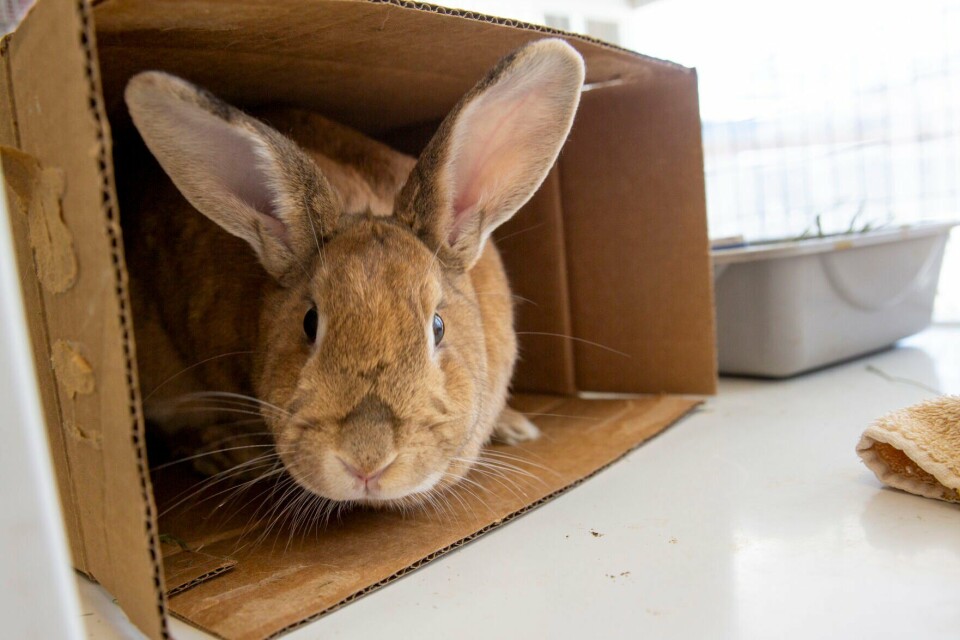
Animal Welfare partners with the New Mexico House Rabbit Society to care for shelter rabbits. Currently, city shelters have just three rabbits up for adoption. But that could soon change.
Last year, in the months after Easter, people brought 118 rabbits into Animal Welfare. Sometimes, all the rabbit cages are full the month after the holiday, Ortega said.
“Over a few months, that is a lot of rabbits,” Ortega said.
Rabbits are a yearslong commitment, Ortega said. Like other pets, they require attention, training and enrichment. Baby rabbits — which are often adopted during the holiday weekend — bite, scratch and leave messes before being potty-trained.
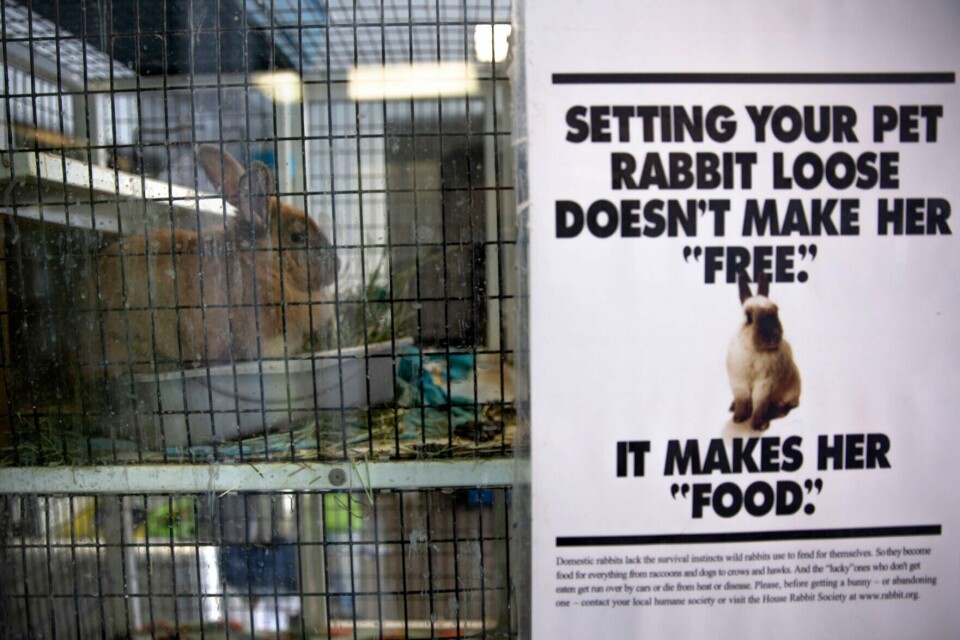
Kirstin Tyler, president of NM House Rabbit Society and “licensed rabbit nerd,” said rabbits can have behavioral problems if they’re not spayed or neutered. Many people underestimate how much space rabbits need to thrive, she added. Cages and rabbit hutches are outdated practices for rabbit care, she said, and wire-bottomed cages can hurt sensitive rabbit feet.
Tyler has fostered over 100 rabbits since she moved to New Mexico and has adopted seven of her own. She said while many people gift rabbits to children over the holiday weekend, they are not good starter pets . As prey animals, rabbits are delicate and can feel nervous when picked up, she said. They also require specialized care and have to go to veterinarians with exotic animal specialties.
Tyler said people interested in adopting a pet rabbit should try fostering a rabbit through the society and educate themselves about rabbits’ special care. Rabbits can live between 10 and 12 years.
“I always encourage people to foster if you’re not fully convinced that you have a decade to commit to a rabbit,” Tyler said.
Ortega recommends would-be rabbit adopters go to shelters. Shelter rabbits, and rabbits adopted through House Rabbit Society, are spayed or neutered and vaccinated, which Tyler said can save people hundreds of dollars. Other sources might not take those precautions, or they adopt out rabbits before they’re old enough to be spayed or neutered, allowing rabbits to do what they do best — multiply.
That’s one of the reasons why there are so many rabbits surrendered to shelters and released into the wild after Easter, Ortega said. Most of the rabbits Animal Welfare sees surrendered to the shelter are reproductively intact, she added.
Tyler said that many places offering rabbits for sale are incorrect in determining the animals’ gender.
“Sexing a rabbit is both an art and a science,” Tyler said. “I get dozens of emails and phone calls throughout the year of people who got two females or two males. And surprise, it was a male and a female.”
Rabbits can get pregnant the same day they give birth. So by the time a surprise litter is discovered, Tyler said, the female already could be carrying another.
Education is important for people serious about adopting rabbits, Ortega said. She recommends rabbits be kept inside, and said they can even be trained to use a litter box.
“You’re going to have a rabbit for, at the very least, years,” Ortega said. “Be responsible for caring for it just as you would a cat or a dog.”


