
Featured
Finding purpose in prison: New Mexico inmates receive peer support worker certification



Published
Modified
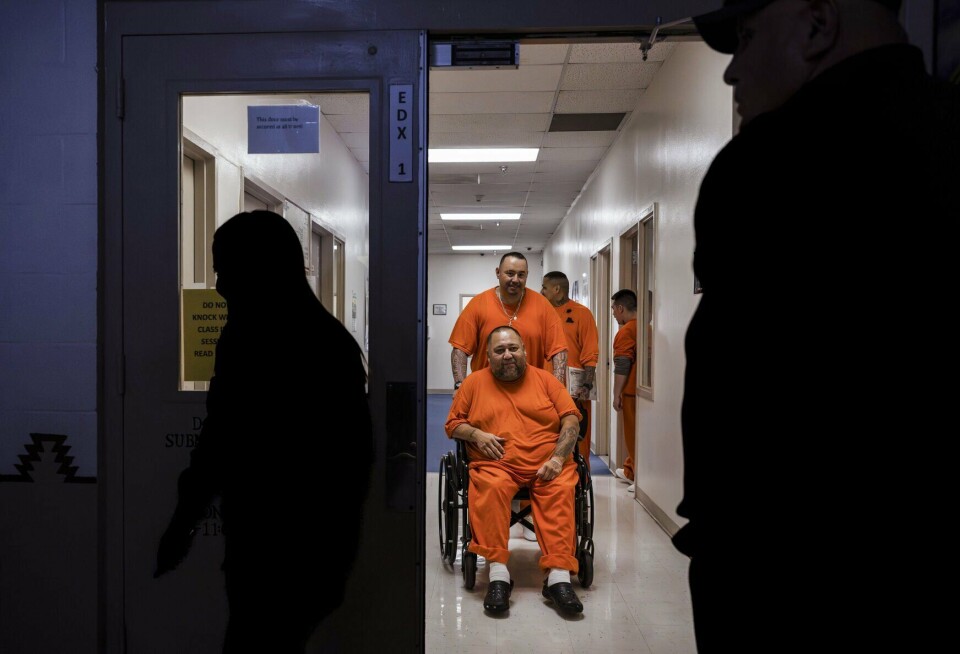
GRANTS — Nabor Santiesteban grew up on the streets of New Mexico, spending years with a drug addiction that left him in a wheelchair with a spinal infection while in and out of prison.
In 2011, he was put away for 18 years for armed robbery and kidnapping.
Before that, Santiesteban said he would never talk about his struggles with drug use or depression. But after nearly dying behind bars in 2019, Santiesteban decided he would try to turn his life around and offer others a safe space to express their struggles — to prevent them from having the same fate.
“I’m just trying to break that barrier for that person that doesn’t feel comfortable talking to the people in administration,” Santiesteban said. “All I’ve done is taken for the last 25 years of my life, and now it’s time to ... help someone else not go through what I’ve been through.”
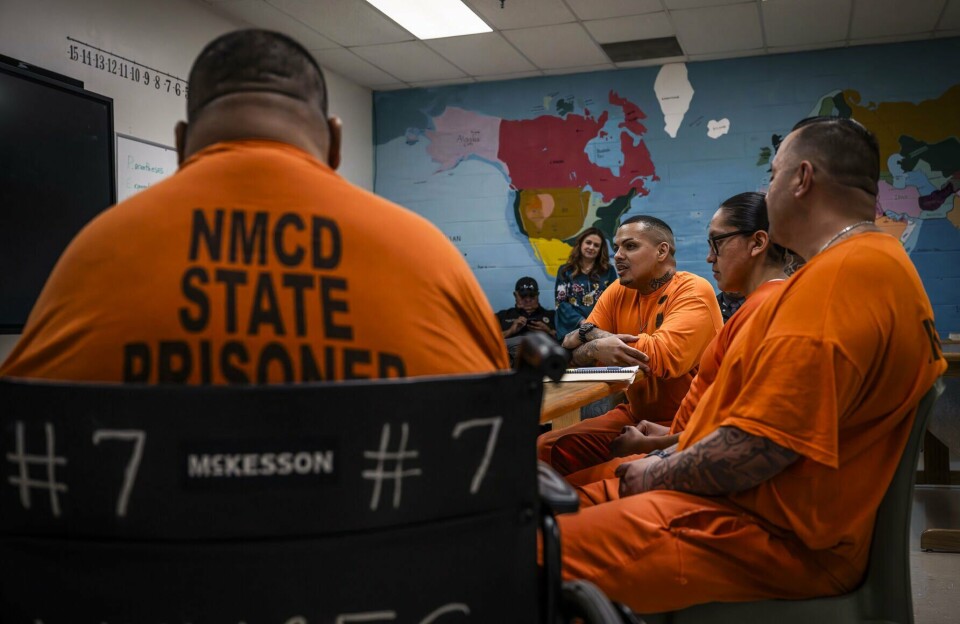
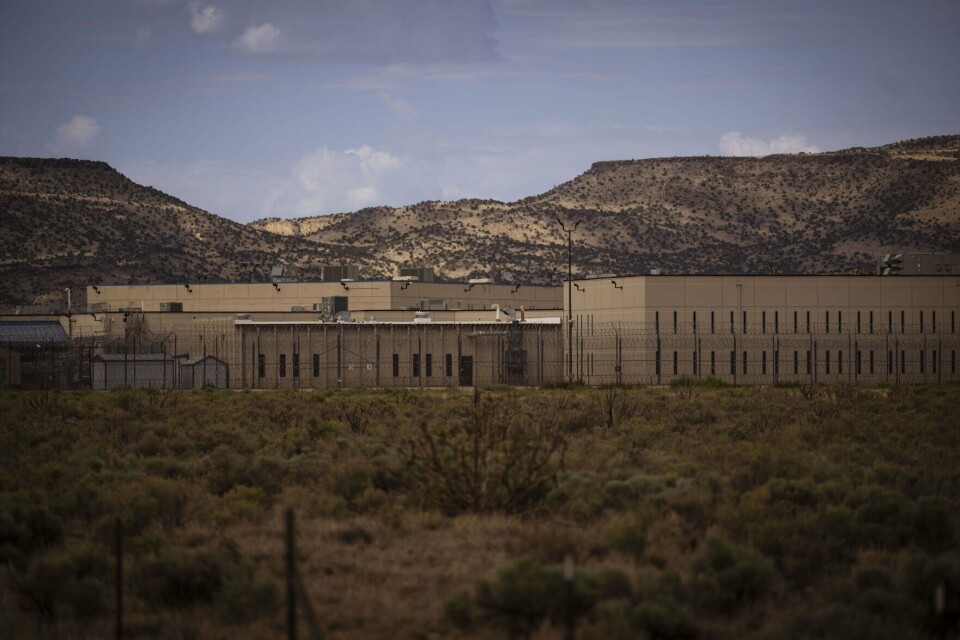
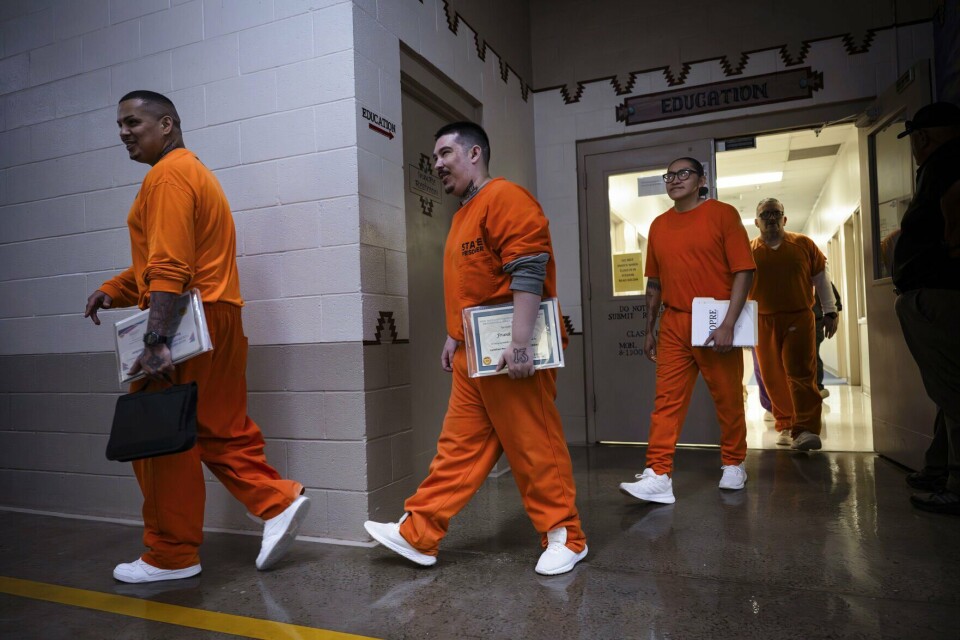
Santiesteban, along with eight other inmates at the Western New Mexico Correctional Facility, jumped at the opportunity to give back through a new program — in partnership with the New Mexico Health Care Authority — to become peer support workers. On Aug. 13 the nine men graduated and received their peer support work certification.
Certified peer support workers (CPSW) are people who have experienced long-term recovery from mental health, substance abuse or other traumatic issues. Eligible inmates take a 40-hour class and must past a test in order to be certified, according to Dr. Wendy Price, psychologist for the detention center.
“We’re one of the few states that that allows individuals to actually become certified who may have past histories of incarceration,” she said. “Peers have made a huge difference, both in the community and within corrections.”
New Mexico is one of fewer than five states with a CPSW program, which allows inmates the opportunity to aid others in their journeys to recovery. A recent round of applications showed more than 50 inmates have signed up for the program since the first group graduated, according to an NMHCA website.
Edward Sierra is 56-years-old with two children, 19 and 20. When he turned himself in for a two-year sentence after a violent domestic dispute, Sierra said all he saw were juveniles around his children’s ages.
“It broke my heart and I just thought, if I could reach them, maybe I could keep them from getting into the juvenile system and moving into the penitentiary system as adults,” he said.
Using his new peer support skills, Sierra said he plans to work with the younger generation to prevent them from making the same mistakes he did. He said he hopes to open a battered women’s shelter when he leaves jail and wants to use his former nursing skills to provide aid to others.
For some inmates, like Frank Romero, Matthew Sloan and Raymond Randolph, being a CPSW gives them the opportunity to provide healing to inmates. With their skills, the three hope to mentor inmates through counseling programs, ministry and Alcoholics Anonymous meetings.
“We’ve all been part of the Residential Drug Abuse Program and running our own AA meetings... we’ve been able to experience facilitating our own groups about knowledge and recovery,” Randolph said.
Others, like Vincent Griego and Dylan Loretto, said the CPSW program gave them an opportunity to reinvent themselves as more than felons and show that they want to grow from their actions and do good in the world.
“I’ve been in the Journal because of the actions I’ve done and that’s why I’m here,” said Loretto, who is serving an 8-year sentence for vehicular homicide.
He continued, “To be in the Journal for something positive is eye-opening because we have a chance to make something good happen. It’s a stepping stone, and we’re ready to go out there and tell our powerful stories and help individuals get out of that gutter.”


