
LEGISLATURE
Health care workers warn of 'ripple effects' amid medical system issues
Physicians ask lawmakers to reinforce Health Care Affordability Fund, protect primary care system

SANTA FE — Doctors, nurses and even patients converged on the state Capitol on Tuesday to urge lawmakers to help lower incoming health care cost hikes for New Mexicans this year and reinforce the state's primary care system.
"We're here today because health care is a lifeline, and unfortunately, federal policy changes made far away from us are putting that lifeline at risk," said Abuko Estrada, health care director for the New Mexico Center on Law and Poverty. "But here at home, the House Appropriations and Finance Committee is about to move the state budget to the Senate."
Estrada was one of several experts who gathered inside a committee room in the Roundhouse on Tuesday to speak in support of House Bill 4, which would direct 100% of tax revenues from health insurance premiums to the state's Health Care Affordability Fund.
Gov. Michelle Lujan Grisham signed the fund into law during her first term in 2021. The program is financed through a state tax on insurance companies and lowers premiums and out-of-pocket costs for members of BeWellnm, the state's Affordable Care Act platform, which launched in 2013.
Fifty-two percent of the proceeds from the tax have been directed toward the Health Care Affordability Fund over the past two years, awarding it roughly $136 million annually, according to a Legislative Finance Committee report published last year. The remainder of the revenues have gone into the state's general fund.
But House Majority Floor Leader Rep. Reena Szczepanski, D-Santa Fe, who is sponsoring House Bill 4, believes all of the health insurance tax should be directed to the fund starting in September, citing impending health care cost increases for New Mexicans.
Szczepanski and her supporters argue that federal cuts to Medicaid, which begin to go into effect later this year, are set to make health care unaffordable for thousands of New Mexicans, who have the highest per-capita rate of enrollment in the program in the nation.
"We're in a critical moment for health care," Szczepanski said. "The feds have pulled back support. They are ratcheting down some of the programs that everyday New Mexicans depend on, and we as a state have stepped up."
The representative made no bones about her intentions to expand the fund during a special session in October, when Democrats and Republicans voted to allocate roughly $40 million to make up for federal health care subsidies set to expire in the first half of 2026.
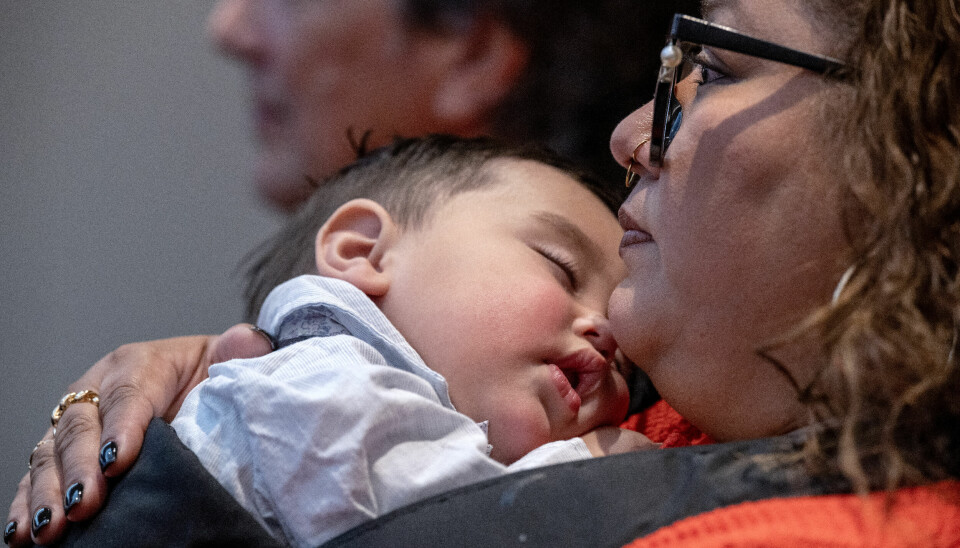
House Bill 4 will move onto the House floor in the coming weeks with a "do pass" recommendation from the House Appropriations and Finance Committee. It seems poised to receive bipartisan support.
Rep. Jenifer Jones, R-Deming, for one, told the Journal she intends to back the bill, but she said it fails to address the core issue facing New Mexico health care.
"HB 4 treats subsidies as the solution, but New Mexico's real problem is access to care," she said in a statement. "I supported this bill because New Mexicans need help right now, but long-term reform means addressing medical malpractice so doctors stay and patients can get timely care."
Bill Wagner, a clinical social worker and executive director of Centro Sávila in Albuquerque's South Valley, was one of several speakers on Tuesday who said the cost to support patients' care helps reduce higher costs in the long run.
"There are ripple effects," he said at the committee meeting in support of House Bill 4. "Parents are trying to work while managing untreated mental health needs. Children lose stability at school and at home. Caregivers burn out, communities feel the strain. This isn't theoretical or a future problem. It's what I see happening right now."
Below, in the Capitol Rotunda, Jones spoke during Primary Care Day in support of protecting the state's primary care system, which served 328,498 patients in 2024, 40% of whom were estimated to be 100% below the federal poverty line.
She said sustaining access to care will be critical to keeping New Mexicans out of emergency rooms and crisis care centers, which can cost 12 times more than a regular visit to a physician, according to a 2019 study by UnitedHealth Group.
"Primary care saves lives," she said. "Primary care saves taxpayer dollars."
Legislators are set to consider a raft of other bills that could alter the state's health care system during the 30-day session. They include reforms to medical malpractice statutes and a proposal to join interstate medical compacts, which could expand patients' access to care amid a physician shortage.
John Miller is the Albuquerque Journal’s northern New Mexico correspondent. He can be reached at jmiller@abqjournal.com.


