
LOCAL COLUMN
OPINION: Project Jupiter perpetuates environmental racism and cultural appropriation of New Mexico
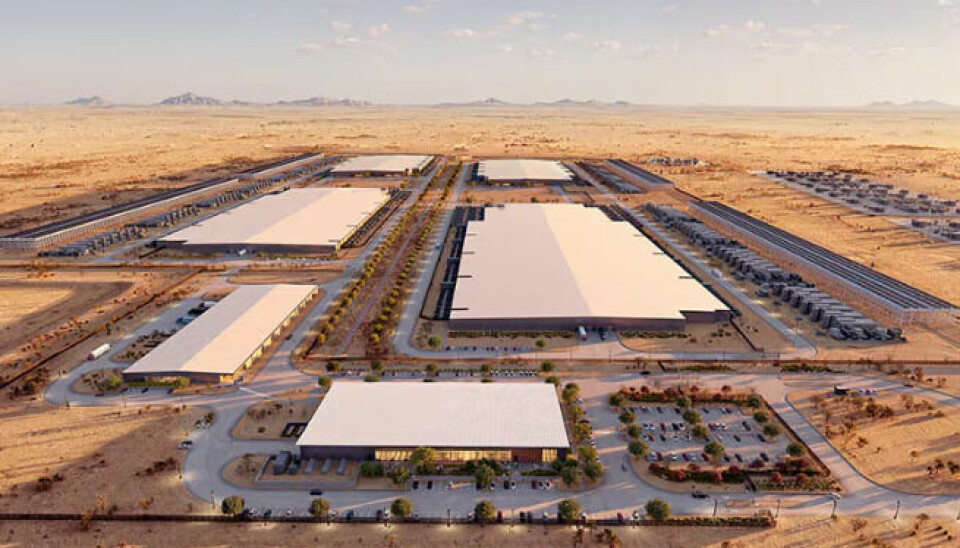
Data centers, especially the harm and impacts they pose, have become a hot topic given the significant increase in their development across the nation. As of today, there are over 5,400 data centers in the U.S. and the number continues to grow at an alarming rate. For those who might not know, data centers are buildings that contain the infrastructure needed to run computers, servers, network equipment, data storage, drives and other systems used to support artificial intelligence like ChatGPT.
By now, it might be safe to assume that a significant number of New Mexicans have heard of Project Jupiter — what will be one of the nation’s largest data centers located in Santa Teresa.
Much of the data center discussions and concerns, at least among environmentalists in our state, have centered on water consumption in an already arid and drought-stricken region, on increased emissions in areas that already exceed air pollutant limits, on rising electricity costs especially for communities with low to modest incomes, increased noise pollution emanating from data center complexes and harmful impacts to ecosystems, among others.
But issues we haven’t discussed as much as the slew of environmental harms stemming from data centers are environmental racism and cultural appropriation. Many New Mexicans might not know that some of the names behind the massive Project Jupiter data center are Red Chile Ventures, Green Chile Ventures, Yucca Growth and Acoma LLC, giving the impression that these corporations are local, but they are not — they are out-of-state multibillion dollar corporations posing as neighbors who know the local culture.
Most New Mexicans would clearly understand how inappropriate it is to use the name “Acoma” for an out-of-state LLC. The clever people who decided to use that name obviously do not understand what it means to respect the autonomy of the Pueblo of Acoma as a federally recognized sovereign tribe in New Mexico.
It is also important to raise the issue of the violence committed against borderland communities who will bear the brunt of the many impacts stemming from this massive data center. We need to talk more about how short-sighted decisions by elected officials have longterm impacts on communities that have been historically marginalized and intentionally left out of discussions for decades.
How is approving billions of dollars and giving a green light to the executives behind Project Jupiter bringing justice to frontline communities that have been fighting for their right to clean and safe drinking water for decades and have been largely ignored?
It’s the same old story — corporations are bringing in dollars and jobs, but is this even true, and at whose expense? At the expense of people and communities who are still dealing with the aftermath of pollution from industrial sites next to neighborhoods and schools where children grow and play.
We are respectfully calling on policymakers to listen to their constituents and finally do the right thing for communities that have been historically harmed. We ask them to not lose sight of the heavy environmental impacts data centers pose especially for nearby overburdened communities.
The bottom line is that data centers perpetuate environmental racism and harm. They place an immense strain on local water and power supplies, they hike local residents’ and businesses’ utility bills, and they heavily pollute the air, land and water communities depend upon to live and survive — all while appropriating New Mexico and Indigenous names and cultures, demonstrating a careless attempt at building community trust.
The public has until March 2 to ask Secretary James Kenney of the New Mexico Environmental Department to do the right thing and hold a public hearing on Project Jupiter’s air quality permit applications, so that Santa Teresa and Sunland Park communities can meaningfully participate in the outcome of these upcoming decisions.
This is a crucial step in New Mexico rising together to demand justice for our state and for our communities.
Dr. Virginia Necochea is executive director of the New Mexico Environmental Law Center.


