
Featured
Albuquerque’s Verus Research secures $12.7 million in Navy contracts for weapons defense tech
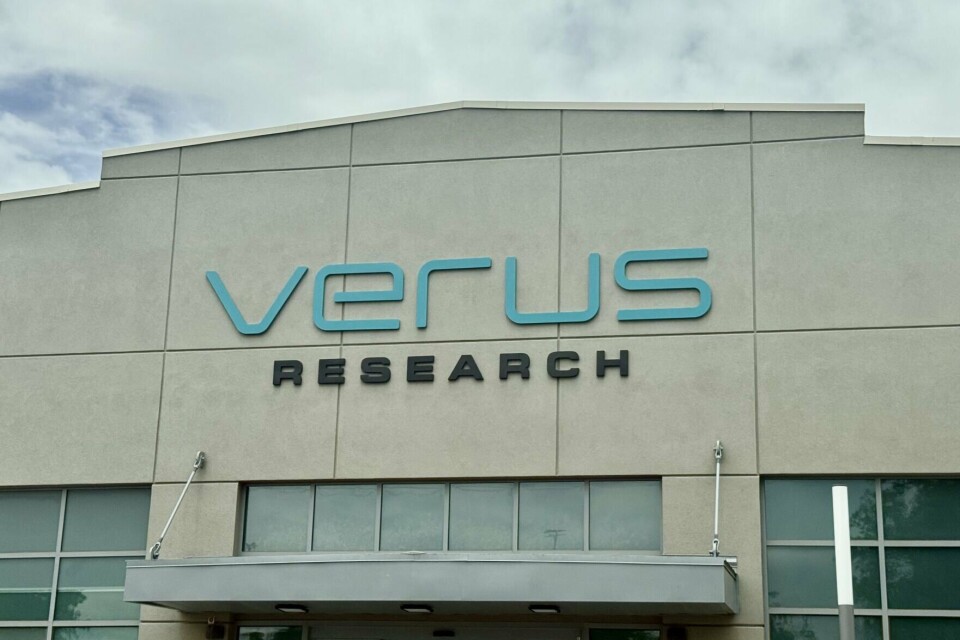
One of Verus Research’s Albuquerque facilities. The research and development company recently secured two $6 million-plus contracts by the U.S. Navy.

Published
Modified
An Albuquerque-based defense contractor acquired earlier this year, but that still maintains a presence in the city, has been awarded two multimillion-dollar contracts this month by the U.S. Navy.
Verus Research, now part of Radiance Technologies, secured contracts with the military branch for $6.7 million and $6 million to develop weapons defense systems, Verus CEO Grady Patterson said.
That includes the Ship Electromagnetic Acquisition System and the Adaptive Radio Frequency Chamber and Hardware, the former of which is for two and a half years and will see the company build a “suite of sensors” that will then analyze simulated pulses on ships to dictate how those vessels will react to the environment, Patterson said.
Verus is not building a ship or the simulator, he added, only the instrument that will measure the effects of electromagnetic energy hitting them. Patterson said electromagnetic pulses can be generated from devices, like what was used to cause the citywide blackout in the film “Ocean’s Eleven,” or by nuclear explosions.
“The Navy has a need to understand how its ships will survive an electromagnetic pulse,” Patterson said. “How do we know what our naval vessels will do in that environment?”
The $6 million award, which spans four years, will implement Verus’ Adaptive Radio Frequency Chamber and Hardware technology — basically, a sensor sent into the air that measures radio frequencies — within Navy operations on testing targets or actual threats. The company, founded in 2014, will examine how it can add these sensors onto items like drones to get a sense of what “actually gets to” what is being aimed at, Patterson said.
For example, if someone is shooting bullets at a large bucket in the air, Patterson said the Navy wants to understand how many bullets made it into the bucket. Similarly, Verus would do the same test from different directions and speeds.
“You want to do all these different testing elements to understand what scenarios might be effective or what scenarios might not be effective,” Patterson said. “What we’re doing is building radio frequency hardware that allows us to better understand the engagement.”
Both contracts are all about “being proactive,” Patterson said. In dangerous situations, like weaponized fighting or inclement weather, it’s important for services like the Navy to be prepared for anything.
Patterson said the awards show that, despite being acquired, Verus is still “here in Albuquerque.”
“These are just two examples of how we’re continuing to try to bring new technology, business and jobs to New Mexico,” Patterson said. “Nothing’s changed. We’re still doing what we’ve been doing.”


