
Featured
RLD looks to add more compliance officers, law enforcement positions as it weeds out bad actors in cannabis industry

Paradise Exotics Distro, 4615 Menaul NE, in Albuquerque was the first cannabis business to have its license revoked by the New Mexico Regulation and Licensing Department. At an Oct. 15 meeting with legislators, RLD Superintendent Clay Bailey asked for more support to enforce the state’s cannabis industry regulations.

Published
Modified
The state’s Cannabis Control Division wants to continue cracking down on bad actors in the industry and hopes the Legislature will help next session.
Speaking to legislators on the Economic and Rural Development and Policy Committee last week , state Regulation and Licensing Department Superintendent Clay Bailey said the division will ask for 10 additional compliance officers to help regulate the cannabis industry.
He said the division would also like to add the ability to embargo, seize and destroy illicit or misbranded cannabis products — an effort that will require special agents with law enforcement authority.
“If we stick with administrative and stay there, once it’s deemed criminal, we’re out,” Bailey said. “We still get the calls, we still get blamed and we still get challenged about it. But I care enough about stopping this. Somebody’s going to have to stop it and it’s going to have to be us.
“Law enforcement, they’re doing what they can, but they have their hands full with everything else they got going on, so it’s going to fall to us.”
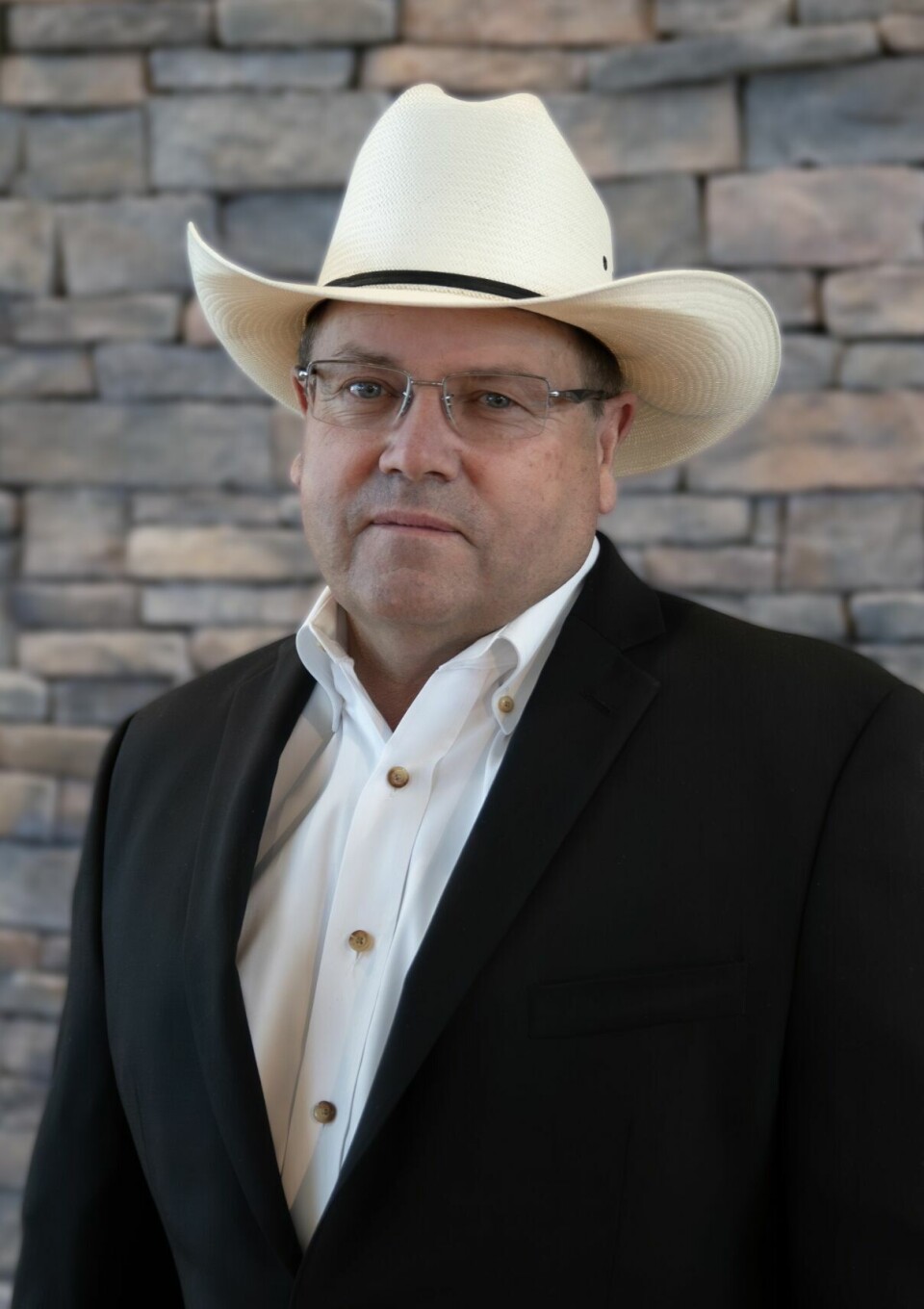
Bailey said the request for those additional hires and duties would come in a bill introduced during the 60-day legislative session next year. He said within CCD’s current jurisdiction, it can only ask illicit growers to shut down operations — and maybe get a court order — while “they just keep growing.”
“They ignore us,” he said. “We’ve been all over trying to stop this stuff, and we’ve been just stonewalled and where we can’t get it done. We need that authority, and coming with that authority, (it’s) going to take law enforcement within RLD.”
Bailey’s comments came as CCD had picked up enforcement. The division last year added seven compliance officers — state workers who make visits to businesses to make sure they are operating lawfully within their licenses — to bring the total to 13.
In 2023, he said, the division completed more than 1,100 inspections compared to just 138 in 2022 — the first year of adult-use marijuana sales. This year, CCD has completed more than 2,200 inspections, Bailey said.
To date, Bailey said, CCD has filed more than two dozen notices of contemplated action, about 10 of which have resulted in revoked licenses and another 19 in settlements. It has issued $4.3 million in fines and has collected $353,952, with Bailey noting that “some of these (fines) are being objected to.”
Justin Dye, chairman of Schwazze, the company that owns R.Greenleaf and Everest Cannabis Co., also spoke to legislators at the Oct. 15 hearing, supporting an increase in compliance officers and law enforcement actions in the sector.
He said for every 256 licensees, New Mexico only has one inspector. Compare that to Colorado, which has one inspector for every 47 licensees, and Oklahoma, which has one inspector for every 86 licensees, he said.
“(New Mexico is) woefully understaffed,” he said. “For us to do this, I think we got to do better.”
As for bringing in law enforcement, Dye pointed to a New York City effort called “Operation Padlock,” which has cracked down on illegal operators.
“They had a huge problem in the last two years,” Dye said. “They’ve done this within the last year where they started busting the bodegas. … They’ve got vans running around New York City; they have busted them, and it has sent ripples through (the industry). It has improved dramatically.
“All we’re saying is, let’s give Mr. Bailey a little more authority here to do what he needs to do, and he’ll get it done.”
Dye also told legislators he hopes there is a possibility for a temporary pause on new retail licenses — a belief his company has held since spearheading a letter signed by other cannabis leaders to Gov. Michelle Lujan Grisham in June 2023, asking much of the same.
New Mexico, to date, has more than 1,000 approved licensed retail premises, though Bailey said about 30% of them have “never done anything within our BioTrack system.” BioTrack is the state’s track-and-trace software and is used by some businesses as a point-of-sale system.
“For the most part, we don’t believe they’re active,” he said. “That still leaves 700 of them out there.”


