
Featured
Injunction shields New Mexico from Trump's order ending birthright citizenship

Alethia Allen

Published
Modified
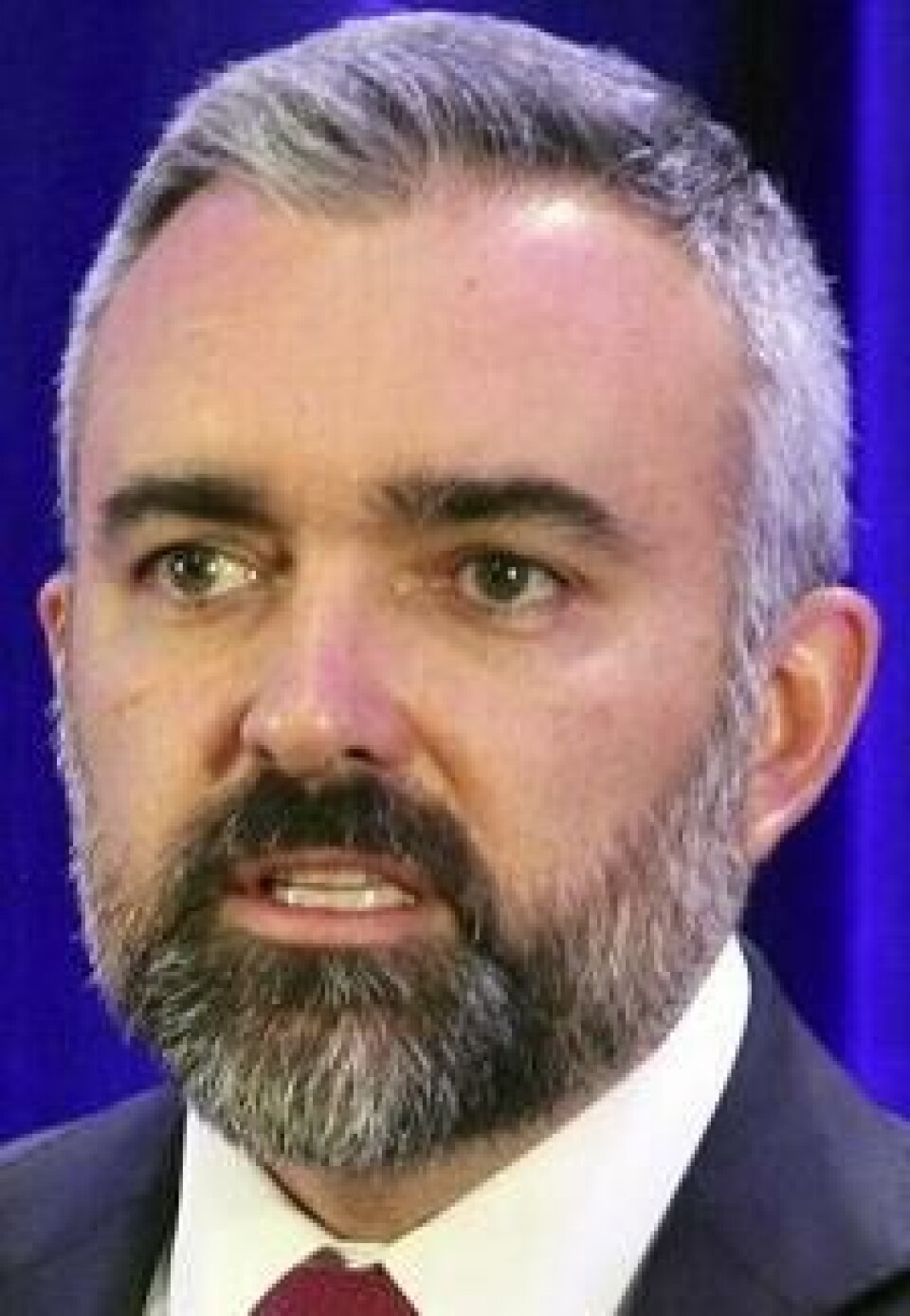
A federal lawsuit filed earlier this year by New Mexico and other states provides New Mexicans with at least temporary protection from President Trump’s executive order ending birthright citizenship, state officials said this week.
The U.S. Supreme Court last week limited the power of federal judges to issue nationwide injunctions, including those blocking an executive order that would end a decades-old guarantee of citizenship for all children born in the United States.
But the court’s June 27 ruling leaves in place an injunction granted by a federal judge in February that blocks implementation of the executive order in New Mexico and 27 other states that have challenged Trump’s action in court. The Supreme Court did not rule on the constitutionality of Trump’s move to end birthright citizenship itself.
Attorney General Raúl Torrez said he was disappointed by the court’s ruling but noted that the injunction remains in force for New Mexico and other states challenging the order in the courts.
“New Mexicans should take comfort in the fact that this decision will not impact our communities because of our steadfast commitment to upholding the rule of law and our willingness to fight to uphold our constitutional order,” Torrez said in a statement.
New Mexico and 17 other states sued the Trump administration in January just days after the president issued Executive Order 14160, which argues that the Constitution does not automatically confer citizenship to all children born in the U.S. Several other states and individuals have filed separate lawsuits challenging the order.
Birthright citizenship, enshrined in the 14th Amendment of the U.S. Constitution, confers citizenship on “all persons born” and “subject to the jurisdiction” of the United States. The amendment was adopted in 1868 to guarantee citizenship for African Americans.
“We remain confident that this Executive Order — clearly unlawful and deeply harmful to millions of Americans — will ultimately be struck down,” Torrez said.
On Feb. 13, U.S. District Judge Leo T. Sorokin of Boston issued a nationwide injunction blocking the government from implementing the executive order anywhere in the U.S.
Sorokin joined federal judges in Maryland, Washington and New Hampshire who also issued preliminary injunctions blocking the order. The court’s ruling last week upended those injunctions.
Trump said after the ruling that his administration would move ahead with plans to end birthright citizenship. But he and Attorney General Pam Bondi have offered few details about how they would carry out the policy.
New Mexico Solicitor General Alethia Allen said this week that the 18 states that filed the suit against the administration believe they will win their arguments on the merits, but the timeline of the case is unclear.
The Supreme Court sent the case to the First Circuit Court of Appeals to settle additional issues about the injunction, Allen said. Ultimately, the case likely will return to Sorokin’s court in the U.S. District Court in Massachusetts, she said.
“Obviously, depending on how the injunction is ultimately fully applied will impact how much either side will push the court to move quickly,” Allen said. “Because we have differing views on the impact of the injunction, my guess is if it’s not us, it’s going to be the federal government pushing for quick resolution in this case.”


