
Q&A Albuquerque Public Schools Board Danielle Gonzales
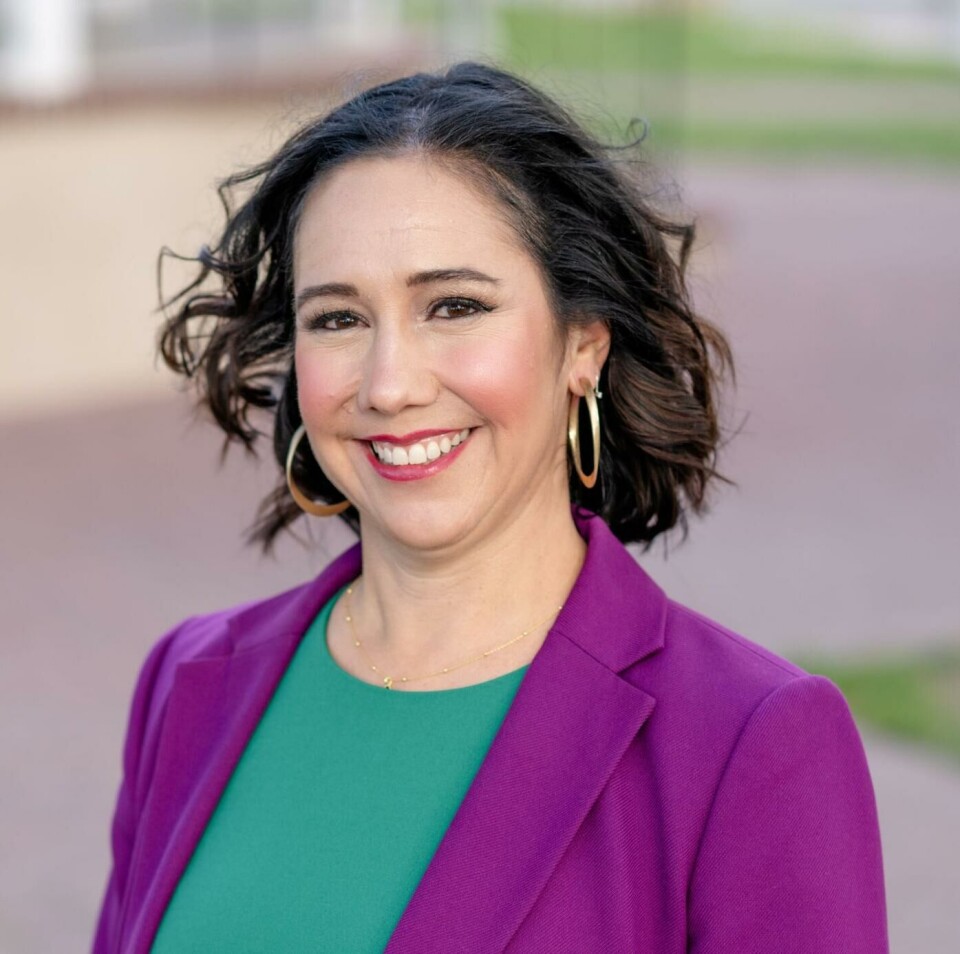
Name: Danielle M. Gonzales
Political party: Democrat
Age: 46
Education: Bachelor of Arts in Spanish language and literature and political science, The George Washington University. Master of Education, University of Notre Dame. Certificate in Education Finance, Georgetown University.
Occupation: Senior Fellow, One Generation (org focused on Native student success). President, APS Board of Education (unpaid)
Family: Married, 3 children (15, 12, 9)
Relevant experience: Over 20 years of experience in education policy and leadership, in the U.S. Department of Education, as a classroom teacher, an advocate, grant maker, managing a national nonprofit organization that works directly with school district leaders, state education leaders and policymakers.
Campaign website: www.danielleforaps.com
1. What's the biggest issue APS faces? How would you address it?
Too many students aren’t reading or doing math at grade-level. Today, less than 40% of APS students are proficient in reading, and fewer than 1 in 4 are proficient in math. I will continue focusing the board on student outcomes, ensuring access to high-quality, culturally-relevant materials, and holding ourselves accountable to measurable goals that prioritize equity and excellence.
2. In your opinion, what is the primary role of a school board member?
To govern with students and equity at the center: set clear goals, monitor those goals, and ensure transparency so families and the community can trust that APS is delivering on its promises. Per state law, the role of the school board is to approve policy, approve the budget, and hire and manage the Superintendent.
3. How would you evaluate the current school board's performance?
Since joining the board in 2022, I’ve helped bring focus and accountability to APS. We set clear goals for student success, hired a new superintendent, and increased community engagement. Healthy debate has strengthened our decisions, but we must remain vigilant; committed to equity, accountability, and measurable outcomes to ensure consistent improvement across all schools.
4. What experience do you have overseeing a budget?
As a current APS board member, I help oversee a $2 billion budget, focusing on aligning resources with student needs, fiscal responsibility, and ensuring accountability. I earned an Education Finance certificate from Georgetown and previously managed grants of up to $100 million at the Gates Foundation, balancing revenue, expenditures, and risks, to ensure funds were allocated effectively and sustainably.
5. The board recently let its contract with D.C. based consultant Council of the Great City Schools expire. Do you believe that was the correct call, why or why not?
As a sitting Board member, I am a member of the evaluation committee currently reviewing proposals for a new Board coach. I signed a contract committing to confidentiality and neutrality in the process, and thus cannot comment on the Council of Great City Schools or the contract.
6. Do you believe that the goals and guardrails the district has adopted are still effective and relevant, why or why not?
Yes. The goals and guardrails remain effective because they reflect community priorities: reading, math, postsecondary readiness, and life skills. They guide budgeting, superintendent evaluation, and 90-day plans, ensuring focus and accountability. With federal fiscal uncertainty ahead, this framework keeps APS steady and aligned on what matters most: student success.
7. The district recently changed the poverty threshold for schools to qualify for Title I funding, do you believe that was the correct decision?
Yes. Title I is federal money that unfortunately is not guaranteed each year, so we must be strategic about its use. Raising the threshold ensured funds went to schools with the highest need, (some at 100% poverty) and indeed, that is the purpose of Title I. The move tied resources to APS’s performance framework, maximizing impact on student outcomes.
8. What’s your stance on school vouchers?
I oppose vouchers. New Mexico does not have a voucher program and states must opt in to the federal program. Our governor has stated NM will not opt in; I agree with that. Public funds should strengthen public schools, not subsidize private ones without accountability. My focus remains on supporting our public schools and the students they serve.
9. What's your stance on charter schools?
I support charter schools. Charter schools play an important role in expanding access to engaging and innovative learning opportunities that traditional schools alone can’t provide. They democratize choice, ensuring families without privilege also have options. While I support charters, I believe we must also push for greater equity, transparency, accountability, and for sharing successful practices, regardless of school type.
10. Do you believe APS is doing enough to comply with the landmark 2018 Yazzie/Martinez court ruling?
Student data and stories tell us we aren’t yet where we need to be. APS is moving in the right direction, but more is required: consistent application of the Bilingual and Multicultural Education Act, the Hispanic Education Act, the Native American Education Act, and an active, representative equity council with real voice in decision-making.
11. Do you believe changes should be made to the APS student cell phone use policy, per a new state law? How do you think the district should handle cell phone use on school grounds?
No. The APS policy follows state law. What’s important now is supporting principals, teachers, and families in applying the policy. As a parent, I know students need focus in classrooms, but they also sometimes need access to phones for safety and emergencies. The right balance protects both learning and well-being.
12. Do you believe more steps should be taken to address school security issues, including firearms on or near school grounds? If so, what would you propose?
Yes. We need a multilayered approach. On the hardware side, that means fencing, cameras, alert-badges, security vestibules, and even considering metal detectors. On the ‘human-ware’ side, we need social-emotional learning, mental health supports, and to take every instance of bullying seriously. I’m proud to be endorsed by Everytown for Gun Safety and guided by their research.
Personal background
1. Have you or your business, if you are a business owner, ever been the subject of any state or federal tax liens?
No
2. Have you ever been involved in a personal or business bankruptcy proceeding?
No
3. Have you ever been arrested for, charged with, or convicted of drunken driving, or anymisdemeanor or felony?
I was arrested in the U.S. Capitol in June 2018 for protesting the Trump administration's child and family separation policies and the cruel treatment of children and other migrants seeking refuge from violence in their home countries. This was a misdemeanor charge for "Crowding, obstructing, or incommoding." #GoodTrouble


