
Lawsuit: She used a walker and wheelchair to get around; the prison sent her to solitary confinement.
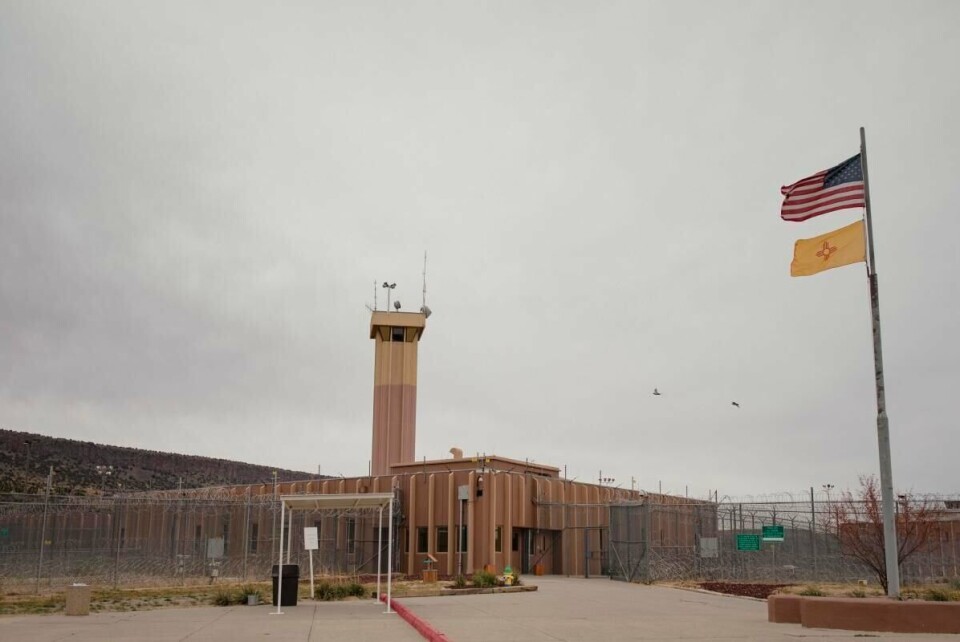
SANTA FE — A new federal lawsuit accuses the state prison in Grants of violating a disabled woman’s rights by putting her in solitary confinement, where, unable to care for herself, she lived in disgusting, inhumane conditions.
The complaint filed in U.S. District Court in New Mexico says Irene Archer, 67, is physically disabled and required the use of a walker and wheelchair to enter the Grants prison.
She was wheeled into the booking area, in fact, before the prison placed her in solitary confinement, according to the complaint.
“A solitary confinement cell is a horrific place to house anyone for an extended period,” Archer’s attorney, Steven Robert Allen, said in a written statement, “but it’s an especially inappropriate place to house someone with Irene’s specialized needs.”
Archer suffers from incontinence and needs help with daily activities, the lawsuit said, such as bathing and dressing. In prison, according to the suit, she sometimes wore clothes wet with urine.
Allen, a member of the New Mexico Prison and Jail Project, an advocacy group, filed the federal lawsuit Tuesday on Archer’s behalf. The state Corrections Department and others are named as defendants.
Brittany Roembach, a spokeswoman for the Corrections Department, said the agency wouldn’t comment on pending litigation.
But “generally speaking,” she said, “all of our inmates are assessed by a medical provider upon arrival at our facilities. Based on that assessment, their individual plan is meant to ensure that their individual needs are met.”
Archer’s lawsuit says isolation had an impact on her health. Much of Archer’s human contact in prison, the lawsuit said, was communication with other women whose voices came through a vent in the wall.
“When the other women in (the housing pod) realized the depths of Irene’s suffering and mistreatment,” the lawsuit said, “one of them began singing to Irene through the vents to provide her with some small measure of comfort.”
Archer ended up in the Grants prison partly so that she could receive specialized medical care, her lawsuit said. She had initially been sentenced to jail, the suit said, but the judge in her case ordered her transfer to the prison, which has a long-term care unit.
Nevertheless, the prison sent her to solitary confinement for most of her one year there rather than the unit designed to provide specialized medical care, the suit said.
Besides the time in solitary confinement, the complaint alleges, Archer endured other mistreatment, including a refusal to allow her to attend the funeral of her husband of 18 years, the denial of more than one counseling session and cruel comments from staff.
Archer was convicted of fraud and other charges in 2019, resulting in her incarceration. She had never been in prison before.
She now lives in Bernalillo County, according to the lawsuit, and her family said she suffers from PTSD.
“Since returning home to her family, in the words of her daughter, Irene has become ‘lost in this world,’” the suit said.
The complaint alleges the prison system violated her civil rights, the Americans with Disabilities Act and other laws.
The Corrections Department is often the target of lawsuits. It has reached settlements totaling about $2.5 million over the last year.


